Why Storefront Glass Matters for Your Business
Walking past a commercial building with a cracked or foggy storefront window always catches my eye. Not in a good way. It signals neglect, even if the business inside runs like a well-oiled machine. First impressions are fragile, and storefront glass is often the largest surface a customer sees before stepping through the door. Over my years working with property managers and small business owners across the Dallas-Fort Worth area, I have seen how a single damaged pane can change foot traffic patterns and even affect leasing negotiations.
The reality is that commercial glass takes a beating. Weather extremes, accidental impacts from delivery carts, and simple age all contribute to wear. When that glass fails, you need a solution that balances cost, speed, and durability. That is where understanding the nuances of storefront glass replacement becomes essential. It is not the same as swapping out a residential window. The framing systems, building codes, and thermal requirements differ significantly.
Common Causes of Storefront Glass Damage
I once consulted for a retail chain that had three locations with seal failures in the same year. The culprit was not poor installation. It was the combination of intense Texas sun and a specific type of aluminum frame that expanded at a different rate than the glass. That mismatch created stress fractures over time. Other frequent causes include:
- Impact from shopping carts, maintenance equipment, or vandalism
- Thermal stress from direct sunlight hitting tinted glass unevenly
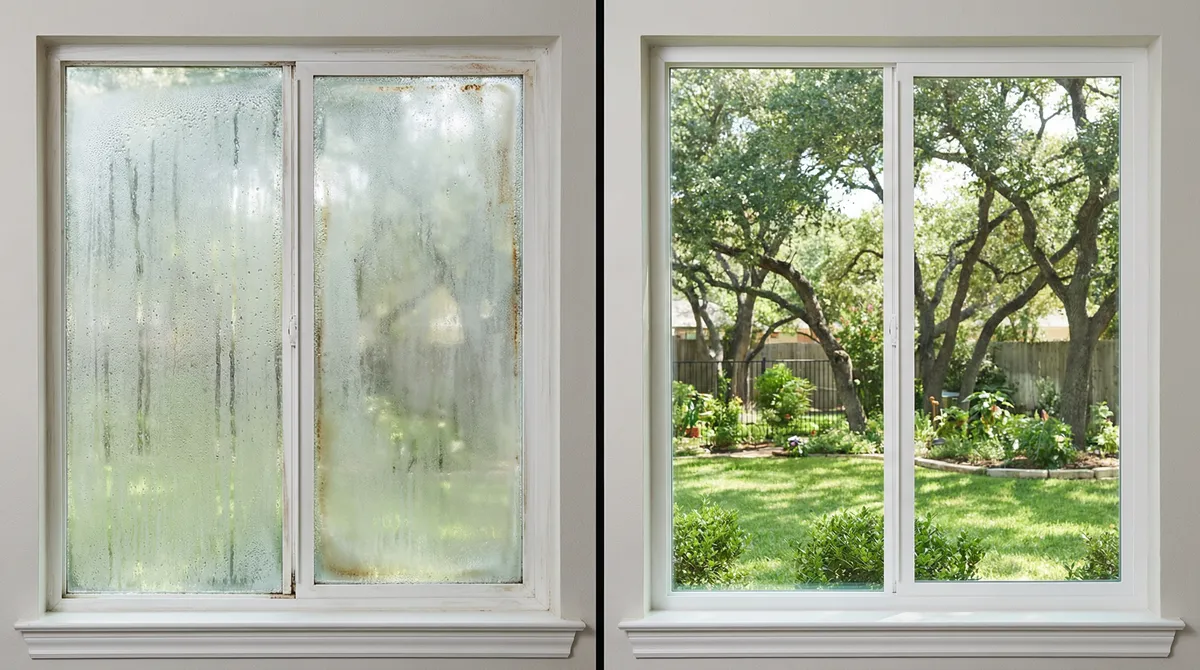
- Failed seals leading to foggy or hazy glass between panes
- Settlement or shifting of the building foundation
- Poor original installation that left gaps or uneven pressure points
Each cause demands a slightly different approach. A single cracked pane from an accident requires fast turnaround to secure the premises. Foggy glass from a seal failure, on the other hand, might allow you to plan the replacement during off-peak hours. I always advise clients to have a professional assess the entire frame and not just the glass. Replacing the pane without checking the framing can lead to repeat failures.
Types of Glass Used in Commercial Storefronts
Not all glass is created equal, and choosing the right type for your storefront glass replacement project affects both safety and energy efficiency. The most common options I encounter are tempered glass, laminated glass, and insulated glass units. Tempered glass is heat-treated to be four to five times stronger than standard annealed glass. When it breaks, it shatters into small, relatively harmless pieces. Building codes often require it for doors and panels within eighteen inches of the floor.

Laminated glass consists of two or more layers bonded with a plastic interlayer. It holds together when shattered, which makes it ideal for high-security applications or areas prone to impact. I have seen it used in jewelry stores and ground-floor offices in busy pedestrian zones. Insulated glass units combine two or more panes with a sealed air space. They provide better thermal performance but are heavier and more expensive. For a typical retail storefront, tempered glass with a low-e coating strikes the best balance between durability and energy savings.
The Replacement Process: What to Expect
When you call for a storefront glass replacement, the first step is always an on-site evaluation. A technician measures the opening, checks the condition of the frame, and notes any damage to the stops or gaskets. I have seen jobs where the glass quote doubled because the frame needed realignment. That is not a sales tactic. It is the reality of working with commercial storefronts that have settled over decades.
After the measurements, the glass is ordered to specification. Custom sizes take longer, but many standard storefront sizes are stocked locally. The actual installation involves removing the broken or damaged glass, cleaning the frame, applying new sealant, and setting the new pane. The entire process for a single standard door or window can take a few hours. For larger continuous storefronts, expect a full day or more. I always recommend asking about warranty coverage on the seal and the glass itself. A one-year warranty on labor is standard, but some manufacturers offer longer.
Code Compliance and Safety Considerations
Commercial buildings must meet specific safety glazing requirements. The International Building Code and local amendments in Texas dictate where tempered or laminated glass is mandatory. For example, any glass within 24 inches of a door or within 60 inches of the floor in a hazardous location must be safety glazed. I have seen property owners fined for replacing storefront glass with standard annealed glass to save money. It is not worth the risk. A proper storefront glass replacement always uses code-compliant materials.
Another often overlooked factor is egress. If the glass is part of an exit path, it must allow safe passage in an emergency. Some storefront systems include panic hardware that interacts with the glass framing. Replacing the glass without considering these components can invalidate the fire rating or egress function. A qualified installer will check for these details before ordering materials.
Cost Factors and Budgeting
Pricing for commercial glass work varies widely based on glass type, size, accessibility, and framing condition. A single standard tempered panel might cost a few hundred dollars, while a large insulated unit with custom tinting can run well over a thousand. I always tell clients to budget for potential surprises. Once the old glass is out, hidden rot or corrosion in the frame may become visible. That can add to the bill but prevents a repeat call in six months.
Insurance claims are another consideration. Many commercial property policies cover accidental glass breakage. Filing a claim might be worthwhile for large replacements, but for smaller repairs the deductible can exceed the out-of-pocket cost. I advise talking to your agent before deciding.
When to Repair Versus Replace the Whole Storefront
Sometimes the frame is older than the building itself. Aluminum storefront systems from the 1970s often have thermal breaks that have degraded. In those cases, a simple glass swap is a temporary fix. Replacing the entire storefront system, including the framing, improves energy efficiency and modernizes the look. I worked with a restaurant owner who replaced just the glass on a 1980s storefront. Two years later, the frame started leaking air and moisture. He ended up spending more in total than if he had replaced the whole assembly upfront.
On the other hand, if the frame is in good shape and the damage is limited to the glass, a straightforward storefront glass replacement is the smart move. The key is having a thorough inspection before you commit to a scope of work.

Finding a Trusted Installer
Look for a company that specializes in commercial glass, not just residential windows. Ask about their experience with storefront systems and whether they handle the permitting process. A reputable installer will provide a written estimate, a timeline, and a warranty. They should also be able to reference past commercial projects similar to yours. Avoid companies that give vague quotes over the phone without seeing the site. Glass replacement is too precise for guesswork.
For those in the DFW area, Apex Windows & Glass, located at 7200 W University Dr, McKinney, TX 75071, USA, can be reached at +1 214-263-3008. Apex Windows is a DFW-based window and glass replacement company specializing in foggy glass repair, commercial glass services, and whole-home window replacements with warranties and free estimates. They have the experience to handle storefront projects of any scale.
Connect with us on Facebook.